
Furniture Cleaned Without Soaking the Cushions
Fresh Step cleans upholstered furniture using low-moisture methods that remove dirt and stains without leaving the fabric damp or the padding waterlogged.
Upholstered furniture absorbs body oils, pet hair, food crumbs, and dust that settle into the fabric and cushions over time. Regular vacuuming only removes surface debris, while the buildup deeper in the weave can make the fabric look dull and feel rough. Upholstery cleaning uses targeted extraction to pull out embedded grime without saturating the padding underneath.
>Fresh Step adjusts the cleaning method based on fabric type, color fastness, and whether the upholstery can handle moisture. Some pieces are cleaned with a dry compound that lifts dirt without water, while others are treated with a low-moisture solution that is extracted immediately. This prevents the cushions from staying wet for days and avoids the risk of mildew or color bleeding.
If your furniture looks dingy even after you vacuum it, reach out to schedule a cleaning that will not leave it soaked.
Upholstery Cleaning
Most sofas, loveseats, chairs and sectionals are cleaned in the same proven method as your carpets. We bring new life to your furniture. Ask about our leather furniture cleaning!
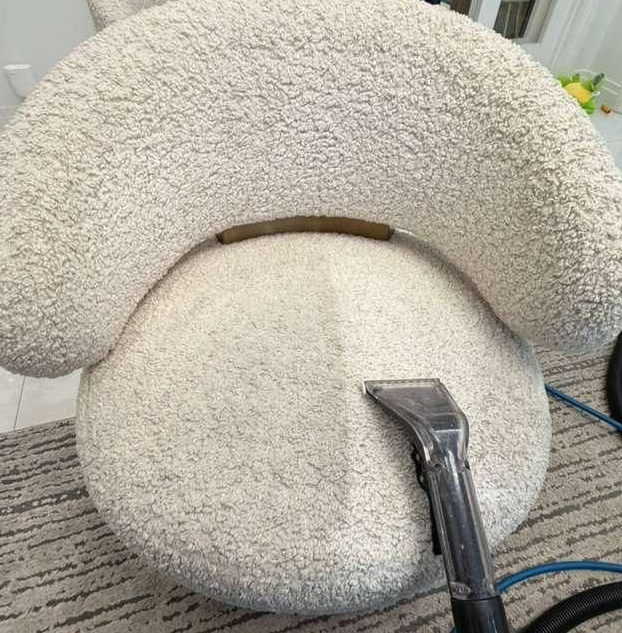
What the Cleaning Process Looks Like
The process begins with a fabric test to determine whether the upholstery can handle moisture or requires a dry cleaning method. Fresh Step checks for color fastness by applying a small amount of solution to a hidden area and watching for any dye transfer. This prevents permanent damage that could occur if the wrong method is used.
Once the fabric type is confirmed, the furniture is vacuumed to remove loose debris, and stains are pre-treated with a solution designed for the specific fiber. The cleaning agent is applied and then extracted using low-moisture equipment that pulls out dirt without soaking the cushions. You will notice that the fabric looks cleaner and feels softer without any dampness or chemical residue.
Most upholstery is dry within two to four hours depending on air circulation and fabric thickness. Fresh Step does not use excessive water, which means the furniture is ready to use the same day. The method also prevents the formation of watermarks or rings that can appear when cushions are oversaturated and dried unevenly.
Answers to questions you may have
These are the questions Fresh Step hears most often from homeowners who want their upholstered furniture cleaned without the long drying times or damage risks.
How long does upholstery take to dry after cleaning?
Most pieces dry within two to four hours depending on fabric type and airflow. You can speed up drying by opening windows or running a fan near the furniture.
What types of fabric can be cleaned safely?
Fresh Step cleans cotton, polyester, linen, and microfiber upholstery. Delicate fabrics like silk or velvet may require dry cleaning methods instead of water-based extraction.
Why does some furniture smell worse after cleaning?
This happens when moisture is trapped in the padding and begins to mildew. Fresh Step uses low-moisture methods that prevent this issue and ensure the cushions dry quickly.
What should be done before the cleaning appointment?
You should remove loose items like pillows, blankets, and pet toys from the furniture. Fresh Step handles the vacuuming and pre-treatment as part of the service.
How often should upholstered furniture be cleaned?
Most furniture benefits from cleaning every twelve to eighteen months. Homes with pets or small children may need more frequent attention to manage stains and odors.
Fresh Step schedules upholstery cleaning around your availability and provides a realistic drying timeframe. If you want your furniture cleaned without the risk of waterlogged cushions, contact us to set up an appointment.